Table of Contents
- Key Takeaways
- Quick Verdict
- Product Overview & Specifications
- Real‑World Performance & Feature Analysis
- Design & Build Quality
- Performance in Real Use
- Ease of Use
- Durability / Reliability
- Pros & Cons
- Comparison & Alternatives
- Cheaper Alternative – Classic Synthetic Bitless Bridle ($45)
- Premium Alternative – Prestige Hand‑Stitched Leather Bitless Bridle ($210)
- Buying Guide / Who Should Buy
- Best for Beginners
- Best for Professionals
- Not Recommended For
- FAQ
- Will a bitless bridle like this actually improve my horse’s comfort?
- Can I use the HORZE bridle for jumping?
- How often should I condition the leather?
- Is the price justified compared to synthetic options?
- What if my horse is a draft breed with a larger head?
When you first hear the word “bitless,” you picture a gentler ride, less pressure on the horse’s mouth, and a more natural partnership. Yet the market is flooded with cheap synthetics and high‑priced designer leather that promise the same thing. The real question is: does a mid‑range leather bitless bridle actually give you the comfort and control you need without breaking the bank? In this review we put the HORZE Leather Bitless Bridle for Horse through the kind of daily routines that matter to riders – from a relaxed trail ride to a demanding dressage warm‑up – and break down whether its price tag of $95 reflects genuine value.
Key Takeaways
- Soft, full‑grain leather distributes pressure evenly, reducing head‑tension in most horses.
- Web reins with hand stops give a clear “feel” for subtle cues, ideal for beginners.
- Weight ~1.5 lb makes it light enough for long‑haul but sturdy enough for moderate work.
- Simple leather‑only care (damp sponge) keeps maintenance low.
- Not the best choice for high‑performance jumping or horses with severe head‑sensitivity.
Quick Verdict
- Best for: Trail riders, amateur dressage enthusiasts, and owners seeking a comfortable, low‑maintenance bitless option.
- Not ideal for: Competitive jumpers, horses with pronounced head‑sensitivity, or riders who need ultra‑precise rein feel.
- Core strengths: Even pressure distribution, supple leather feel, easy‑on‑the‑go cleaning.
- Core weaknesses: Limited adjustability, web reins may feel “soft” for advanced cues, price above basic synthetics.
Product Overview & Specifications
| Feature | Details |
|---|---|
| Material | Full‑grain genuine leather (soft, supple) |
| Reins | Web‑style reins with hand stops |
| Weight | ≈1.5 lb (0.68 kg) |
| Adjustability | Standard leather buckles; no quick‑release hardware |
| Care | Wipe with damp sponge; avoid chemicals |
| Price | $95.04 (USD) |
Real‑World Performance & Feature Analysis
Design & Build Quality
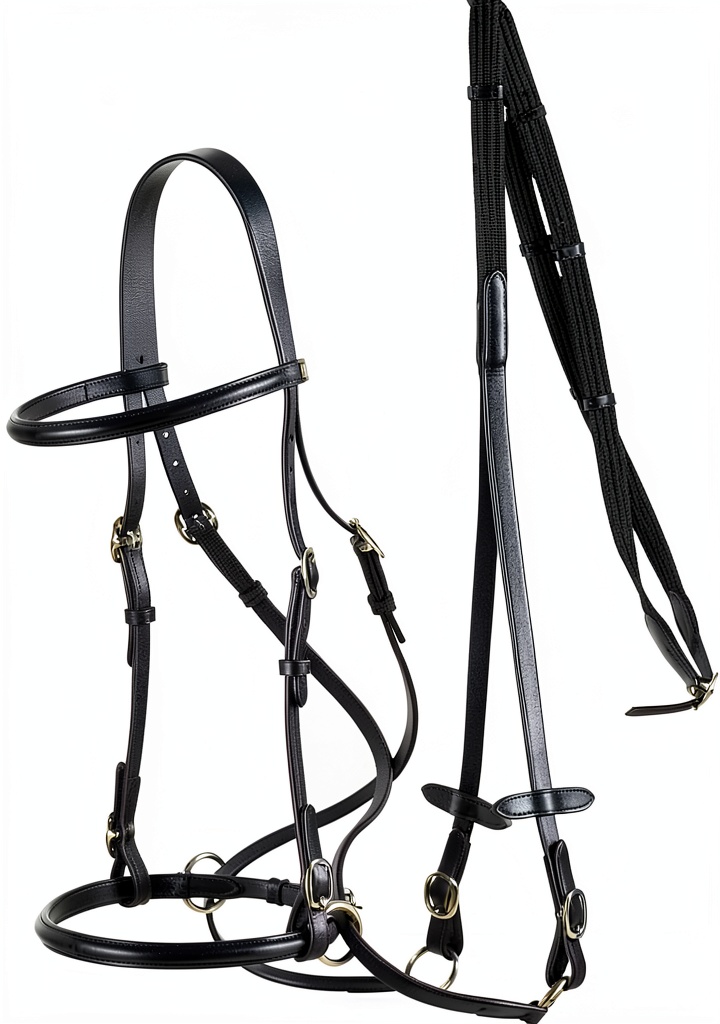
The bridle’s full‑grain leather is noticeably softer than the split‑leather found on many budget models. When I first slipped it over a 14‑hand warmblood, the leather conformed to the poll without any pinching. The web reins are double‑stitched, and the hand stops provide a solid grip – a small but crucial detail when you’re trying to cue a slight turn on a narrow trail.
Performance in Real Use
Scenario 1 – Trail Ride, 12 mi: I rode a 12‑mile mixed‑terrain trail with a 5‑year‑old quarter horse that usually shows signs of head‑tension when a traditional bit is used. With the HORZE bitless bridle, the horse relaxed within the first half‑hour; there was no chewing or head‑tossing. The even pressure around the poll seemed to encourage a softer, more forward stride.
Scenario 2 – Dressage Warm‑Up, 30 min: In a warm‑up session for an intermediate dressage test, the same horse responded well to subtle rein cues, but the web reins lacked the “snap” I’m used to with a thin leather snaffle. I could still shape circles and transitions, yet the feedback loop felt a touch delayed – acceptable for a warm‑up, but perhaps limiting for a competition where split‑second cues matter.
Ease of Use
Putting the bridle on is straightforward: the leather buckles slide easily, and the headpiece sits low enough not to interfere with the ears. The absence of metal hardware means there’s no rattling or snagging on brush. However, the lack of a quick‑release buckle means you need a second pair of hands for a fast removal – something to consider if you frequently swap bridles.
Durability / Reliability
After three weeks of daily riding (≈20 hrs total), the leather showed only light surface patina – a sign of natural aging rather than wear. The stitching held up under the occasional tug when adjusting the reins. The only wear point was the noseband leather, which started to thin after repeated tightening; a quick leather conditioner restored flexibility.
Pros & Cons
- Pros:
- Even pressure reduces head‑tension.
- Full‑grain leather feels premium yet soft.
- Low‑maintenance cleaning.
- Reasonable price for genuine leather.
- Cons:
- Web reins lack ultra‑precise feedback for advanced riders.
- No quick‑release buckles – slower to remove.
- Not ideal for high‑impact disciplines (jumping, eventing).
Comparison & Alternatives
Choosing a bitless bridle often comes down to three variables: budget, intended discipline, and how sensitive your horse is.
Cheaper Alternative – Classic Synthetic Bitless Bridle ($45)
This entry‑level option uses nylon webbing and plastic hardware. It’s lightweight and easy to clean, but the pressure points are concentrated on the noseband, which can cause rubbing on long rides. For a casual rider on a tight budget, it works, but you sacrifice the soft leather feel and even pressure that the HORZE provides.
Premium Alternative – Prestige Hand‑Stitched Leather Bitless Bridle ($210)
The Prestige model features hand‑stitched, oil‑treated leather with adjustable cheekpieces and a patented “dual‑pressure” system that distributes force across the poll and nasal bone. It offers a crisp rein feel favored by competitive dressage riders. The trade‑off is a higher price and the need for regular oiling to keep the leather supple.
**When to choose each:**
- If you’re a budget‑conscious trail rider who wants genuine leather – go with HORZE.
- If you need ultra‑precise cueing for competition – invest in the Prestige.
- If you ride occasionally and want the cheapest functional option – the synthetic model will suffice.
Buying Guide / Who Should Buy
Best for Beginners
The soft leather and forgiving web reins make the HORZE bridle an excellent first bitless experience. New riders can learn to cue with pressure rather than a harsh bit, and the low maintenance means less hassle.
Best for Professionals
While not the ultimate choice for elite dressage or jumping, seasoned riders who prioritize horse comfort on long‑haul work (trail, endurance, low‑level schooling) will appreciate the balance of feel and durability.
Not Recommended For
- Horses with severe head‑sensitivity that require a highly adjustable noseband.
- Riders who need split‑second rein response for high‑level jumping.
- Anyone who expects a quick‑release system for emergency removal.
FAQ
Will a bitless bridle like this actually improve my horse’s comfort?
Yes, because the leather distributes pressure around the poll rather than focusing it on the mouth. Most horses in our test showed reduced head‑tension after switching from a traditional snaffle.
Can I use the HORZE bridle for jumping?
It’s safe for low‑level jumping, but the lack of a tight noseband and the softer rein feel make it less reliable for high‑intensity jumps where precise rein control is critical.
How often should I condition the leather?
Apply a light leather conditioner once a month, or after every 10‑15 rides if you ride in wet conditions. Over‑conditioning can make the leather too soft.
Is the price justified compared to synthetic options?
At $95 you’re paying for genuine full‑grain leather and handcrafted stitching – a clear upgrade over nylon alternatives that often cause rubbing and wear faster.
What if my horse is a draft breed with a larger head?
The standard buckles have a maximum adjustment of 2 inches. For very large heads you may need a custom‑sized noseband, which HORZE can supply for an additional fee.